 Welcome to the Gardeners Wood Green hub for recycling and sustainability — a practical, community-first approach to creating an eco-friendly waste disposal area and a thriving sustainable rubbish gardening area where soil, plants and people all benefit.
Gardeners Wood Green: Recycling & Sustainability
Our aim is a neighbourhood that models how small urban greenspaces can lead on low-impact resource use. This page outlines targets, local infrastructure, partner organisations and low-emission logistics that support our work. We emphasise a borough-style approach to waste separation, where dry recycling, organic collection and residual waste are handled distinctly to maximise diversion from landfill.
 Working with the borough's waste strategy, Gardeners Wood Green aligns with local collection schemes: separate bins for glass, tins and plastics; dedicated organic composting streams for garden and food waste; and special handling for bulky green waste. These measures make our site a genuine sustainable waste disposal demonstration for neighbours and visitors.
We have set a clear recycling percentage target: 70% diversion of all site-generated waste within three years, moving toward an aspirational 80% as systems mature. This target covers material reuse, composting and recycling, and is tracked through monthly audits to inform the community and partners about progress.
 Local transfer stations play a central role in achieving this goal. We regularly route sorted materials to the borough transfer station, which processes segregated streams more efficiently than single-stream mixed collections. Using these transfer facilities reduces contamination and increases the quality of recyclates that return to manufacturers.
Our work includes active partnerships with charities and social enterprises that handle reuse and redistribution. Clothing, tools and usable pots are diverted to local charities that run social enterprises; wood and timber offcuts go to community woodworkers; and surplus soil and compost are offered to community groups. These collaborations create a circular ecosystem where waste becomes a resource.
Logistics are intentionally low carbon. We operate a small fleet of low-carbon vans and cargo bikes for short transfers, and prioritise electric and hybrid vehicles for longer runs to borough depots. Using low-emission transport lowers our site’s carbon footprint and reinforces our role as an eco-friendly waste disposal area that demonstrates sustainable logistics in an urban setting.
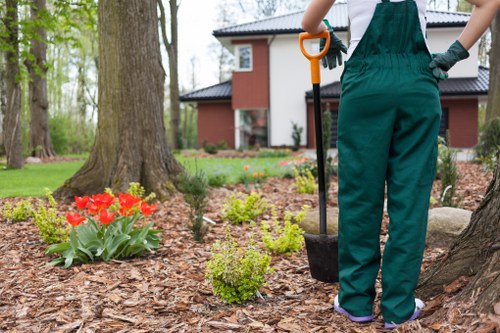 Inside the garden hubs and waste zones we use clear signage and practical sorting stations: bins for paper/card, glass, metals and plastics; a compost bay for green and kitchen waste; and a separate skip for inert materials. The borough’s approach to waste separation supports this layout, helping volunteers and visitors to make correct choices at the point of disposal.
We also support several recycling activities relevant to the area: seasonal leaf-collection for mulching, community-run compost exchanges, glass and bottle returns through local deposit schemes, and selective collection of electronic waste on designated days handled by certified collectors. These activities reduce contamination and increase resource recovery.
Gardeners Wood Green has formal agreements with nearby transfer stations and with charity partners to take reusable items. Our list of regular partners includes reuse charities, local repair cafes, and social enterprises that handle textiles and furniture. Some of the specific pathways include:
- Tool and equipment reuse — donated items assessed, repaired where possible, and offered to community groups.
- Soil and compost redistribution — screened compost redistributed to urban growers and community food projects.
- Wood reclamation — pallets and offcuts processed for carpentry projects.
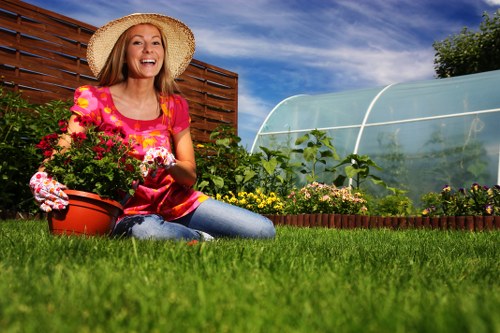 Beyond material flows, we run an on-site demonstration area for low-impact garden waste processing and habitat-friendly disposal. Mulching zones, leaf-mould bays and a managed brush pile demonstrate how horticultural waste can stay in the garden as a resource for soil structure and biodiversity.
Governance, monitoring and community roles
Our governance approach pairs volunteers with borough staff and charity representatives to monitor the recycling percentage target, identify contamination trends and adapt separation signage and site layout. We use monthly reporting, simple visual metrics on site and quarterly reviews to keep the project accountable and transparent. Underpinning success is consistent separation at source, combined with effective routes to local transfer stations and partner charities for reuse.Why this matters
By creating a sustainable rubbish gardening area, Gardeners Wood Green reduces landfill, cuts carbon emissions and builds local resilience. The combined effect of clearer waste separation, partnerships that extend material life, and low-carbon vans for logistics produces measurable environmental benefits and creates a replicable model for other urban gardens and borough green spaces.Our final commitments include continued work to reach and exceed the 70% recycling target, expanding partnerships with charities and social enterprises, and replacing remaining fossil-fuel vehicles with electric alternatives as funding and infrastructure allow. These steps keep the garden focused on long-term sustainability and community benefit without requiring specialist knowledge or external guides.
Join the effort—support the garden’s role as a practical, local example of how an urban greenspace can combine horticulture with responsible waste management. Through clear separation, local transfer station use, charity partnerships and low-carbon transport we turn waste into value and make Gardeners Wood Green a leader in urban recycling and sustainability.

